How to make a model
What questions do we ask and why?
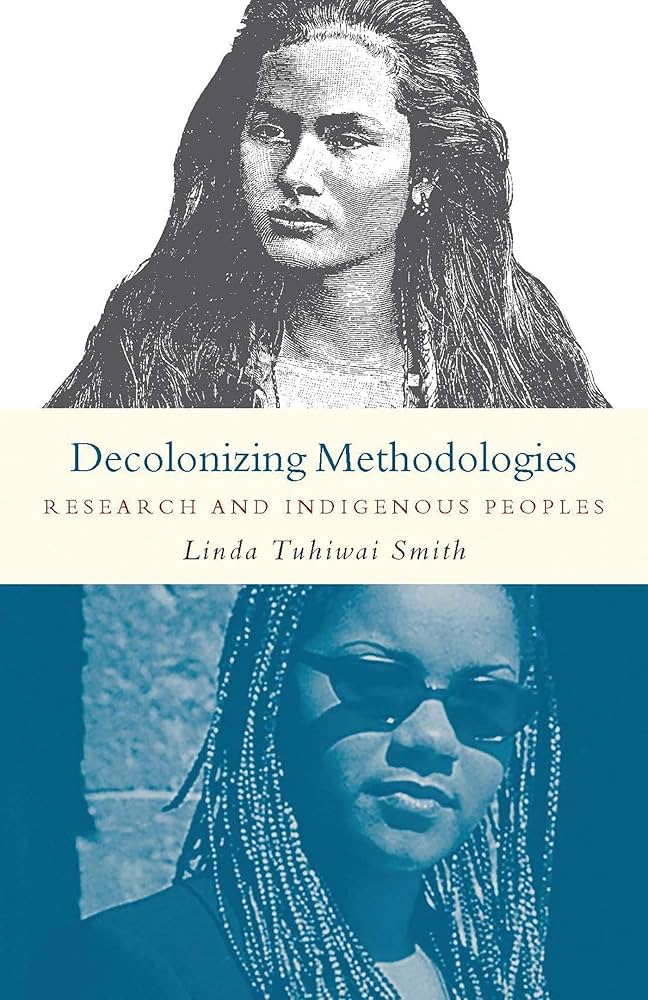
Our knowledge systems guide what questions we see as interesting and relevant. Western epistemology is only one (Tuhiwai Smith 2012; Wilson-Hokowhitu 2019)

What questions do we ask and how?
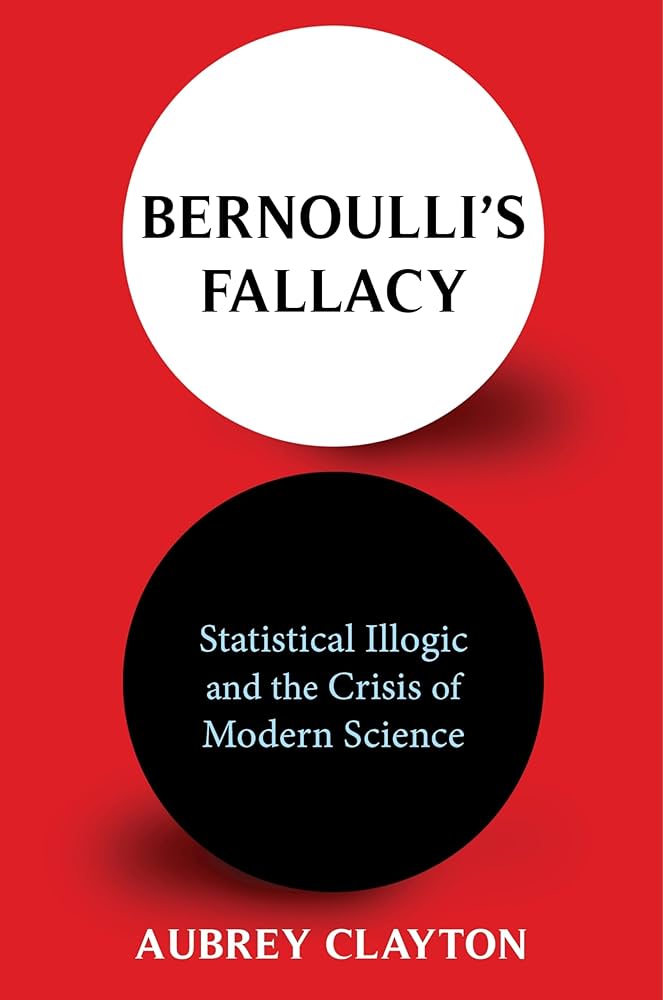
What methods are deemed valid, “objective,” “quantitative” has a history of racism, colonialism, and extraction (Tuhiwai Smith 2012; Clayton 2021)
Moʻokūʻauhau of likelihood
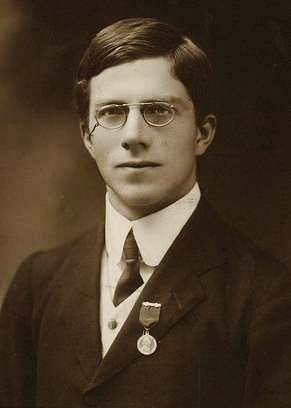
- proposed likelihood methods starting in 1912
- racist
- eugenicist
- pawn of big tobacco
Moʻokūʻauhau of likelihood
Available scientific knowledge provides a firm basis for believing that the groups of mankind differ in their innate capacity for intellectual and emotional development.
I am sorry that there should be propaganda in favour of miscegenation [bigoted term for marriage between perceived racial groups] *in North America as I am sure it can do nothing but harm.
Unfortunately, considerable propaganda is now being developed to convince the public that cigarette smoking is dangerous [Fisher was funded by the tobacco industry]
What do we do about it?
Consider this: European names are assigned (by some) to organisms the world over (Trisos et al. 2021), but the named people do not own those organism
Statistical methods were developed as tools for extraction and discrimination, but the racists and colonizers don’t own them
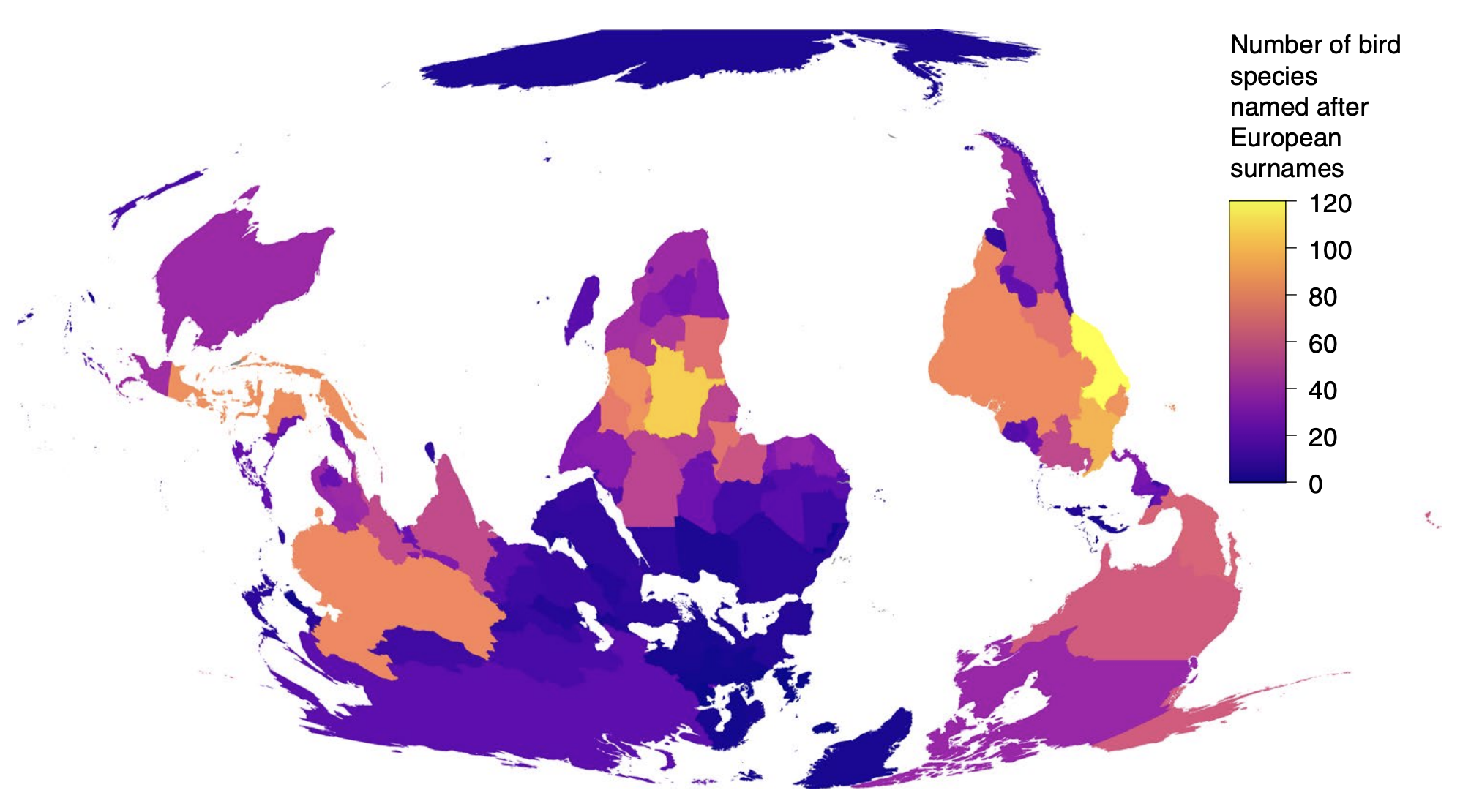
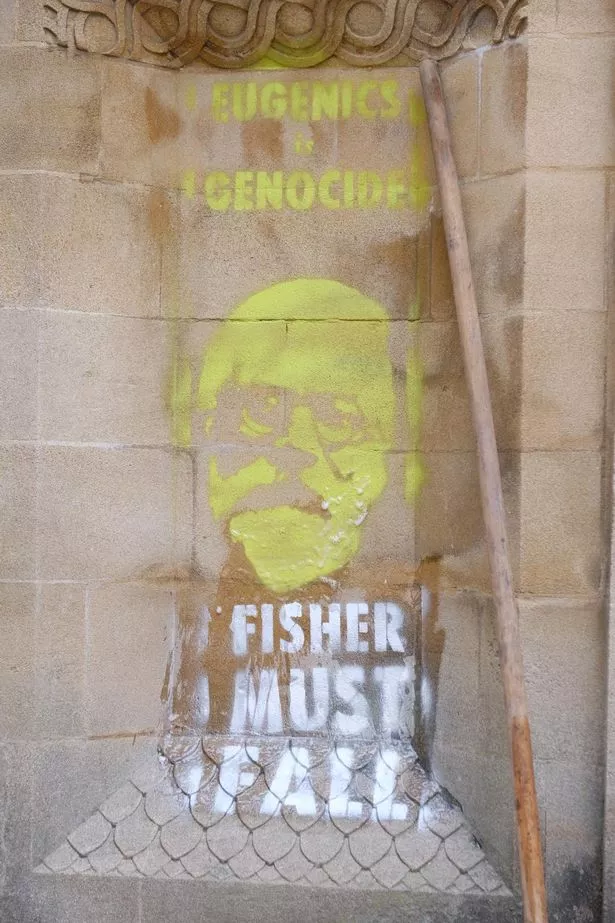
Being self-reflective about what questions we ask, how, and why can help us make use of the tools while pushing back against their original uses
Being able to use these tools, and be ethical about it, will help you get a job, and make a positive change with your position
Question to prediction
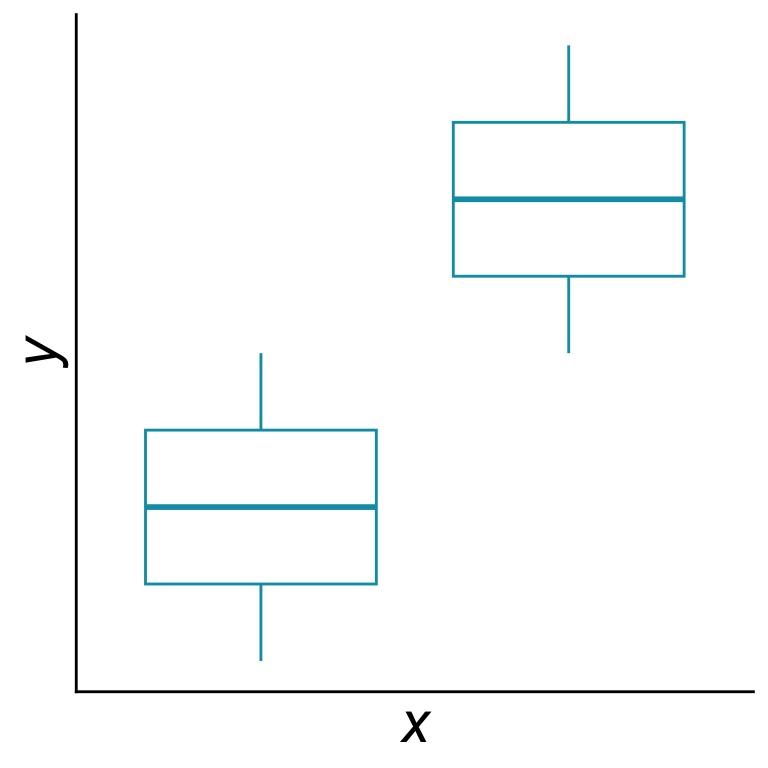
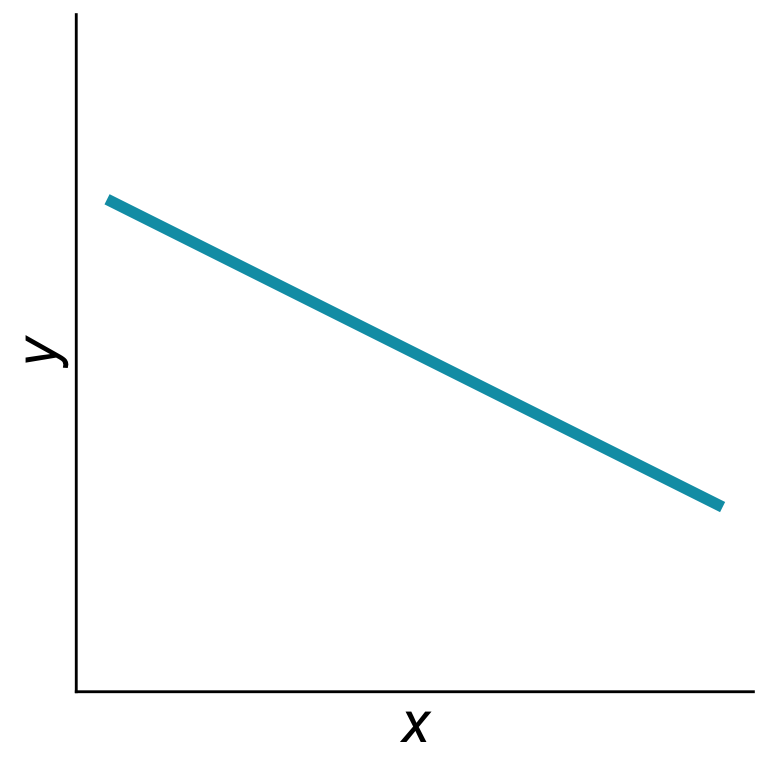
What is the effect of \(x\) on \(y\)?
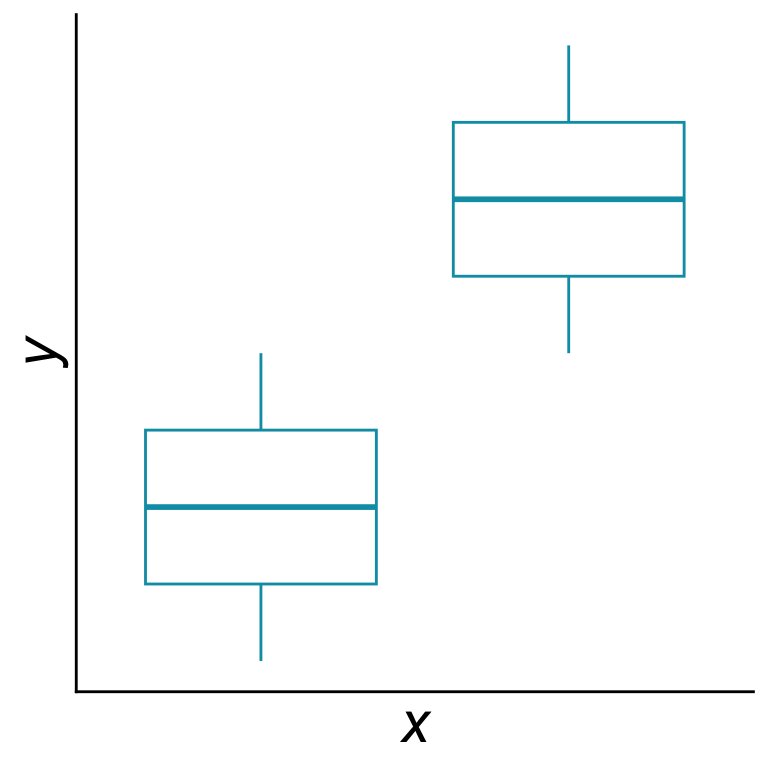
Prediction to model
What is the source of variability?